
Types of Treatment

Traditional Braces
Braces consist of brackets, wires, and bands that are attached to the teeth and gradually exert pressure to move the teeth into the correct position.
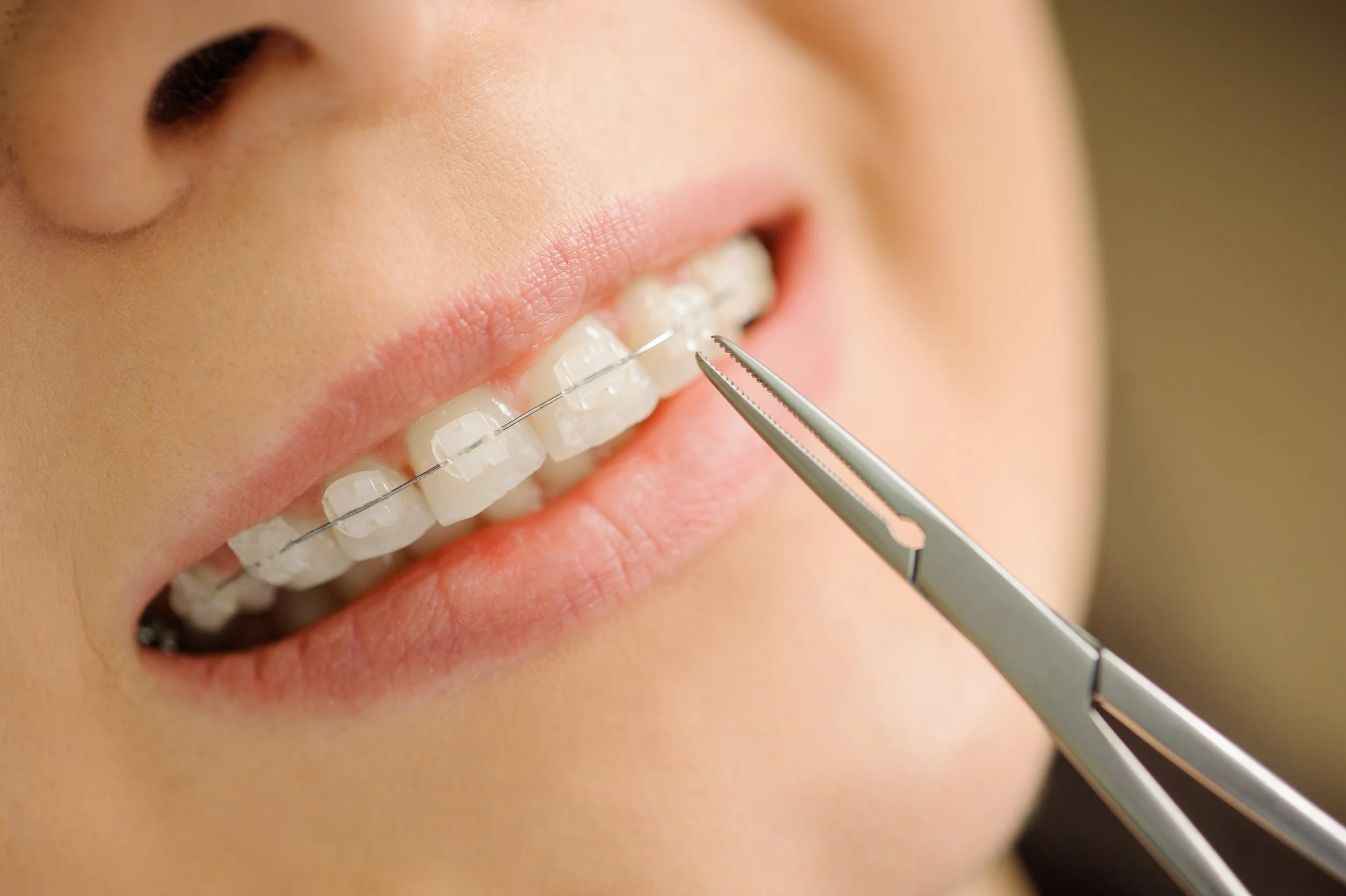
Clear Braces
Clear or ceramic braces work in a similar way to traditional metal braces, but the brackets and wires are made from a ceramic material that blends in with the natural color of the teeth. This makes them less noticeable and more aesthetically pleasing than metal braces.
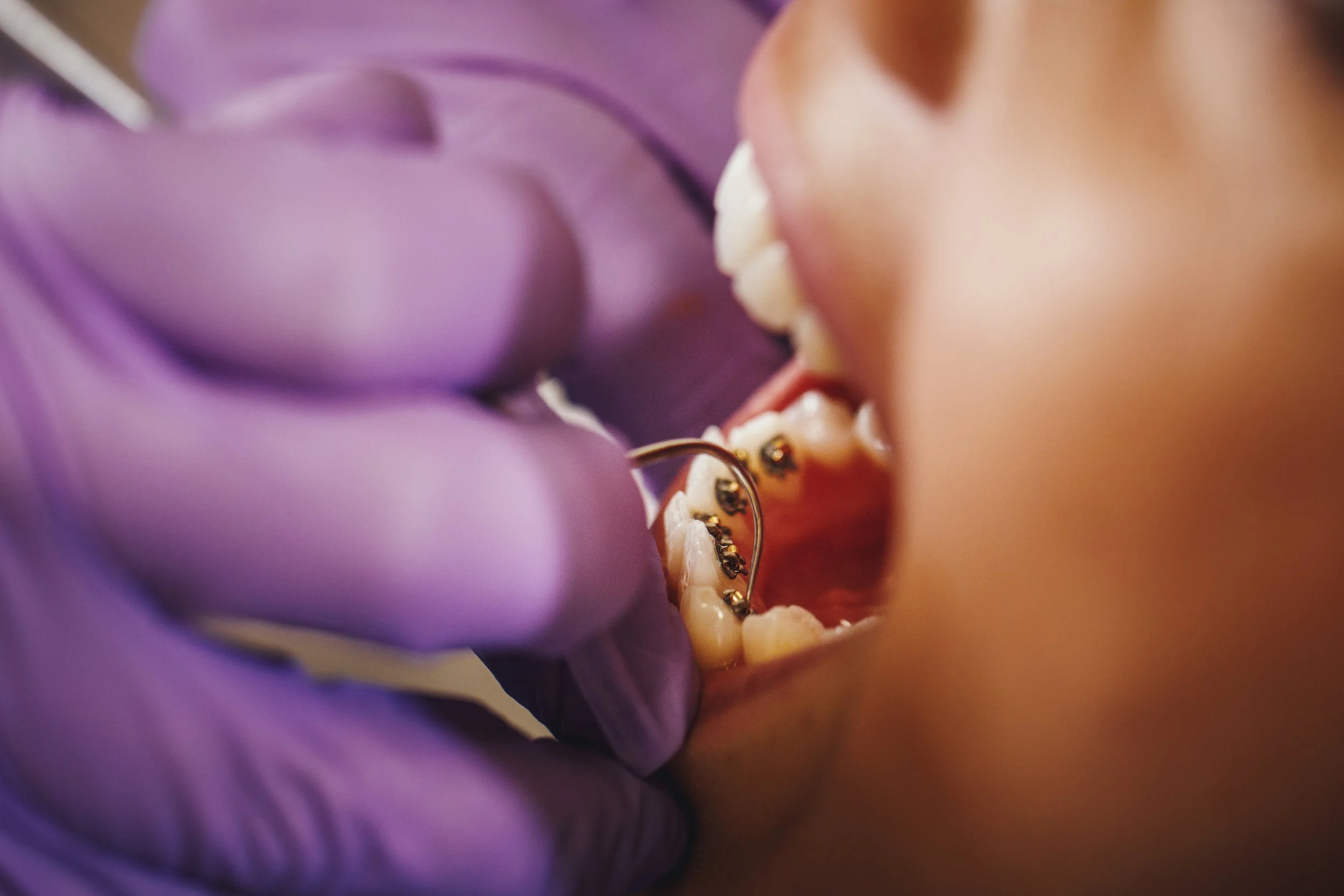
Lingual Braces
Lingual braces work similarly to traditional braces, with the brackets and wires exerting pressure on the teeth to move them into the desired position. However, since the brackets and wires are placed on the inside of the teeth, they are not visible from the front, making them a popular choice for people who want a discreet orthodontic treatment.
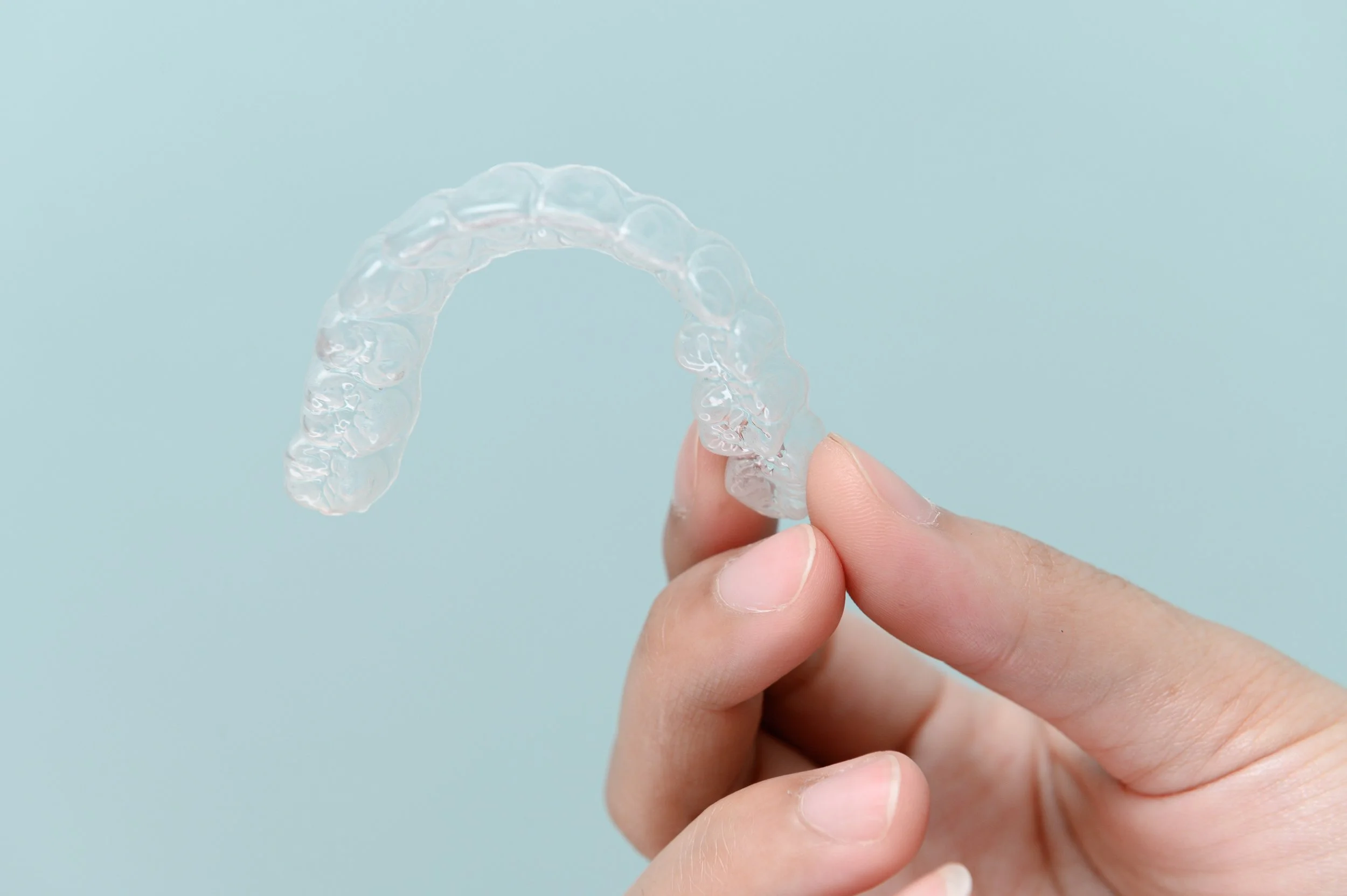
Invisalign
Clear orthodontic braces are a series of transparent, plastic aligners that gradually straighten and align teeth. Each set of aligners is slightly different from the previous one, providing a gradual, comfortable, and precise movement of the teeth.
Clear orthodontic braces are often preferred by patients who want a more discreet and less noticeable treatment than traditional metal braces.

Retainers
Retainers are dental appliances used after the completion of orthodontic treatment to maintain the position of the teeth and prevent them from shifting back to their original position.
Retainers come in different types, including removable and fixed. Removable retainers are custom-made to fit the patient's teeth and can be taken out for eating, brushing, and flossing. Fixed retainers are bonded to the back of the teeth and are not removable by the patient.

All Age Treatment
We provide treatment to the whole family! For younger patients, we will assess dental and facial development to determine if orthodontic treatment is necessary or will be necessary in the future.
Most treatment is typically performed during the teenage years when all of the permanent teeth have erupted. This is usually between the ages of 12 and 16. Many adults also seek orthodontic treatment to correct crooked teeth or misaligned bites that were not treated during childhood.
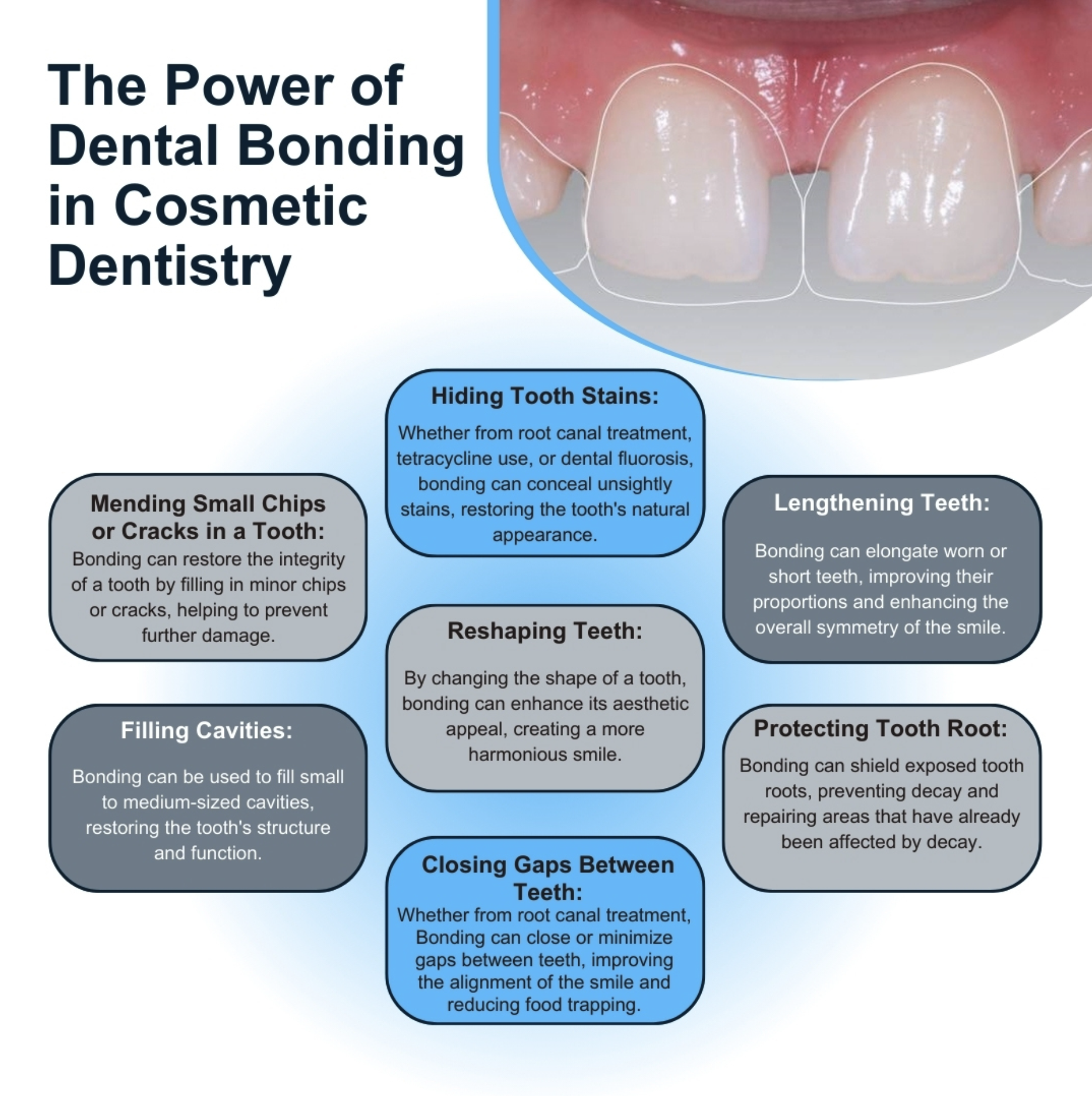
Dental Bonding
In some cases, a patient’s teeth may not have developed to their ideal proportions. They may be smaller than average, uneven in size, or misshapen. A common example is a peg-shaped lateral incisor. In other situations, teeth may have become worn down over time due to grinding or bite issues.
When teeth are undersized or worn, restoring them to their proper dimensions is often recommended—ideally before starting braces or clear aligner therapy, though it can also be completed during treatment if needed.
One of the most effective and conservative ways to accomplish this is through composite bonding. This is a minimally invasive procedure in which tooth-colored composite resin is carefully layered and sculpted onto the tooth to achieve the ideal size and shape. The process is painless, typically requires no anesthesia, and does not remove or damage healthy tooth structure.
Restoring proper tooth proportions improves more than just appearance. It also helps create the correct tooth contacts and bite relationships, allowing orthodontic treatment to achieve optimal alignment and function. When teeth are properly shaped and proportioned, braces or aligners can deliver more precise, balanced, and stable results.
If you’d like to learn whether composite bonding could enhance your orthodontic outcome, contact our office to schedule a consultation. We look forward to helping you achieve a healthy, confident smile.